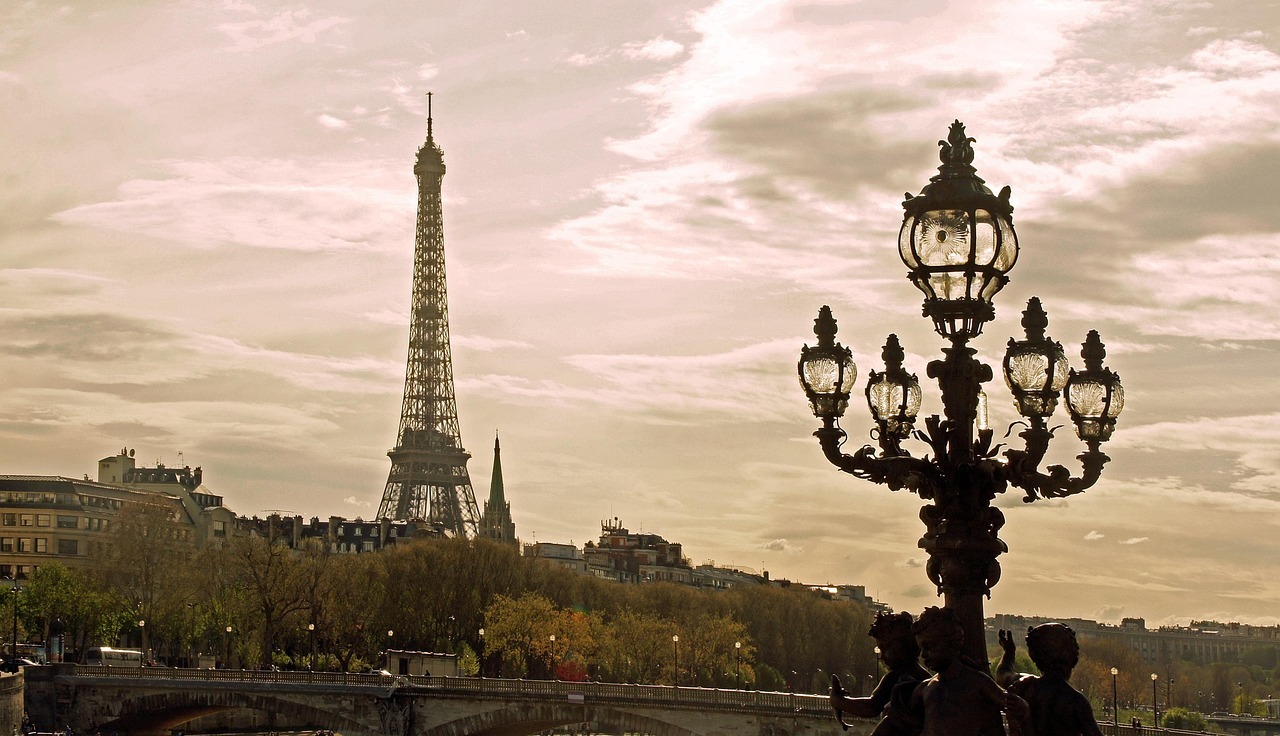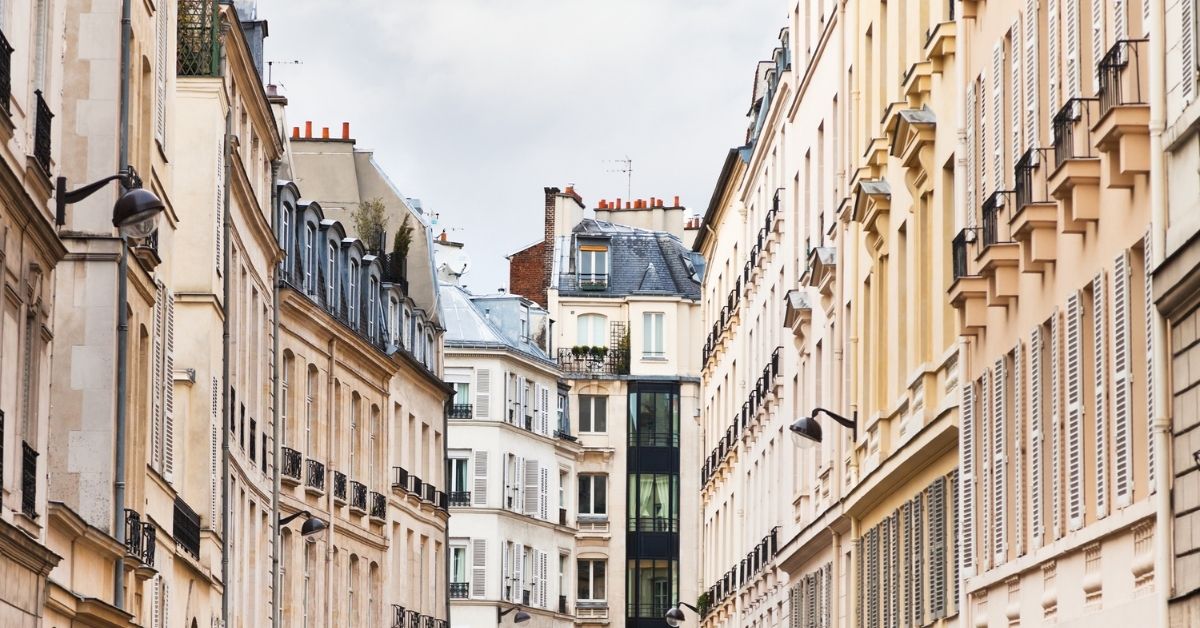

The Left Bank of Paris, or la Rive Gauche, is more than a geographic distinction—it’s a world unto itself. It has long been the soul of artistic revolution, philosophical debate, and literary experimentation. For generations, writers have walked these streets, drawn inspiration from their quiet courtyards and smoky cafés, and in turn, immortalized the area in fiction. Here are 7 novels that helped make the Left Bank of Paris a center for literature.
Let’s wander through the neighborhoods of the Left Bank by following the novels and authors who set their stories among its bohemian boulevards and ancient alleyways.
1. Ernest Hemingway – A Moveable Feast
No literary map of the Left Bank would be complete without Hemingway. Although A Moveable Feast is a memoir rather than a novel, it reads with all the emotional narrative of fiction. Hemingway lived in the Latin Quarter in the 1920s with his first wife, Hadley, and often wrote in the cafés of Rue Mouffetard or Boulevard Saint-Michel.
In the book, he paints scenes of working in cafés like Closerie des Lilas and discussing literature with Gertrude Stein and F. Scott Fitzgerald. You can trace his footsteps from his former apartment at 74 Rue du Cardinal Lemoine to Shakespeare and Company, where he borrowed books when money was tight.
2. James Baldwin – Giovanni’s Room

While Baldwin was American, Giovanni’s Room is a deeply Parisian novel. Its emotional and physical landscapes are rooted in the Left Bank. The story follows David, an American grappling with his identity, who begins an intense relationship with an Italian bartender, Giovanni.
Though Baldwin never specifies every location, the mood of the Latin Quarter—its twilight bars, tiny apartments, and existential quiet—infuses the novel. Baldwin lived in Saint-Germain-des-Prés in the 1950s and considered Paris, especially the Left Bank, a place of personal freedom. There he felt far from American racial injustice.
3. Simone de Beauvoir – She Came to Stay (L’Invitée)
Simone de Beauvoir, an intellectual icon of the Left Bank, used its post-war cafés and conversations as the setting for her first novel, She Came to Stay. The novel is a semi-autobiographical exploration of existentialism, jealousy, and freedom, inspired by de Beauvoir’s and Sartre’s real-life open relationship.
Set against the backdrop of 1930s Paris, many scenes play out in Saint-Germain-des-Prés cafés like Les Deux Magots and Café de Flore. Two places where de Beauvoir herself was often found writing. The novel captures the Left Bank as a philosophical battleground as much as a geographic one.
4. Henry Miller – Tropic of Cancer
Wild, profane, and groundbreaking, Henry Miller’s Tropic of Cancer captures a raw and ragged Left Bank during the 1930s. Living hand-to-mouth in Montparnasse, Miller recounts the life of an American writer scraping by on luck, lust, and a bit of borrowed charm.
Montparnasse in Miller’s time was a hub of artists, misfits, and immigrants. Many of them living in cheap boarding houses or sleeping in train stations. You can still visit La Coupole and Le Dôme, the cafés he haunted. The novel is less a tour guide than a fever dream, but it captures the Left Bank’s darker, grittier artistic spirit.
5. Anaïs Nin – Henry and June
Anaïs Nin’s diaries, later fictionalized in parts like Henry and June, offer a sensual and psychological journey through the Left Bank’s artistic world. Her intimate writing describes her time in 1930s Paris, particularly her complex relationships with Henry Miller and his wife June.
Much of Nin’s life and writing took place around Montparnasse, where she embraced psychoanalysis, avant-garde writing, and taboo-breaking expression. Her version of the Left Bank is emotionally layered—a place of private revelation rather than grand intellectual performance.
6. Patrick Modiano – Missing Person (Rue des Boutiques Obscures)
French Nobel laureate Patrick Modiano has set much of his fiction in Paris, and the Left Bank often features prominently. In Missing Person, the protagonist—an amnesiac detective—tries to piece together his past. He does so by wandering streets that are both real and metaphysical.
The book wanders through the 6th and 7th arrondissements. Where their quiet streets, old buildings, and shadowy memories create a dreamlike topography. Modiano’s Paris is not the café-lined one of Hemingway. Instead, it’s a foggy, mysterious city filled with traces of war, absence, and personal ghosts.
7. Julian Green – Each in His Darkness
Julian Green, though American, wrote in French and lived much of his life in Paris. His 1947 novel Each in His Darkness is a psychological study of sin and repression set in the heart of the Left Bank. His characters move through churches, apartments, and gardens that give the novel its cloistered, haunting tone.
The Left Bank here is introspective, almost Gothic—a stark contrast to the romanticized versions offered by others. Green captures the weight of history and the shadows of faith that still cling to the old buildings and narrow lanes.
Final Thoughts: Walking Through Words
To walk through the Left Bank is to walk through the pages of a thousand novels. Every street corner carries echoes of a writer who found their voice in this unique part of Paris. From the passionate poetry of love affairs to the cold clarity of philosophical discourse, the Left Bank remains not just a place on a map, but a literary world unto itself.
Whether you bring a dog-eared copy of A Moveable Feast or a fresh edition of Giovanni’s Room, you’ll find that the Left Bank hasn’t lost its ability to inspire. It still whispers stories—if you’re quiet enough to listen.
Book your guided tour today at https://lefrenchway.com/en and enjoy an unforgettable experience in Paris.