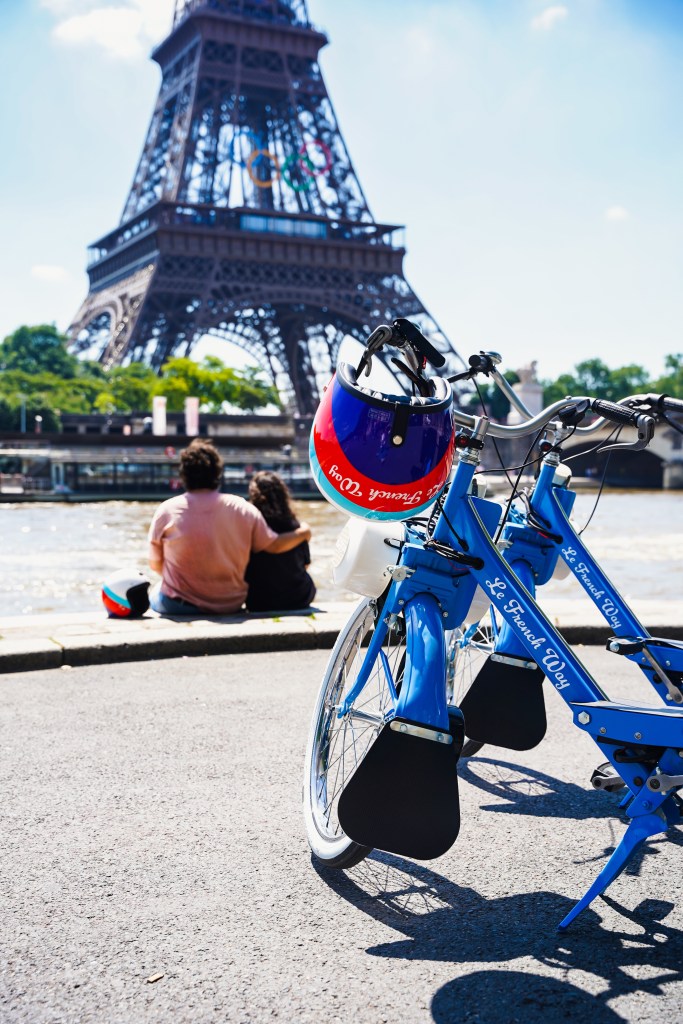

Paris, the City of Lights, welcomes millions of visitors each year from all around the world. Whether you’re coming for art, history, food, fashion, or just a taste of romance, Paris is a must-visit destination. But before you can stroll along the Seine or admire the Eiffel Tower, you need to get there. Here’s a complete guide to the different ways to travel to Paris, including pros, cons, and practical tips.
1. Traveling to Paris by Plane
Best for: Long-distance travelers (from other continents or southern Europe)
?? Main Paris Airports
- Charles de Gaulle (CDG): The main international airport, 25 km northeast of Paris.
- Orly (ORY): Smaller, handles domestic and short-haul European flights, 13 km south of Paris.
- Beauvais (BVA): Located 80 km away, mostly used by low-cost airlines like Ryanair.
? Pros:
- Fastest option for long distances.
- Extensive international connections.
- Competitive low-cost options from select European cities.
? Cons:
- Airport to city transfers can take up to an hour.
- Lengthy security and boarding procedures.
- Tickets can be expensive if booked last minute.
2. Getting to Paris by Train
Best for: Travelers from nearby European countries or major French cities.
? Main Train Stations in Paris:
- Gare du Nord: From Northern France, Belgium, UK (Eurostar).
- Gare de Lyon: From southeast France (Lyon, Marseille) and Switzerland.
- Gare Montparnasse: From western and southwestern France (Bordeaux, Rennes).
- Gare de l’Est, Saint-Lazare, Austerlitz: Other regional connections.
? Pros:
- Comfortable and time-efficient (no lengthy security checks).
- Stations located in central Paris.
- Eco-friendly with low carbon emissions.
? Cons:
- Can be expensive without early booking.
- Less flexibility than driving.
3. Arriving in Paris by Bus
Best for: Budget-conscious travelers and flexible itineraries.
? Major Companies:
- FlixBus, BlaBlaCar Bus, Eurolines (now part of FlixBus).
? Pros:
- Very affordable fares, especially with early bookings.
- Numerous departure points across Europe.
- Often includes luggage with no extra fees.
? Cons:
- Long travel times.
- Comfort levels vary depending on the operator.
- Some bus stations are on the outskirts of the city (e.g., Bercy, Gallieni).
4. Driving to Paris by Car
Best for: Groups, families, or those planning to explore the region.
? Tips:
- Be prepared for tolls, especially from southern France.
- Parking is difficult and expensive — consider park-and-ride options or staying outside the city center.
? Pros:
- Total freedom over your itinerary.
- Great for visiting other towns or attractions en route.
- Cost-effective when traveling with multiple people.
? Cons:
- Heavy traffic and stressful driving in Paris.
- High fuel and parking costs.
- Environmental zones (low-emission areas) may restrict access.
Conclusion
The best way to get to Paris depends on your starting point, budget, and travel preferences. The train is fast, central, and eco-friendly for European travelers. The plane is ideal for long-distance trips, while the bus is unbeatable in terms of price. Driving gives you flexibility but requires careful planning.
No matter how you choose to arrive, one thing is certain: Paris is worth the journey.